
Dental Crowns and Bridges
Dental crowns and bridges serve to reinforce teeth, restoring their functionality and enhancing their aesthetic appeal.
Teeth are naturally shielded by enamel, the body’s most resilient substance. However, factors such as trauma, tooth decay, extensive fillings, root canal treatments, and age-related wear and tear can weaken or damage enamel.
Frequently employed in dental procedures, crowns play a pivotal role in fortifying teeth and improving their visual appeal. By encasing the entire tooth surface, a crown acts as a protective layer, restoring the tooth’s original color, size, and shape.
Our meticulously designed crowns seamlessly integrate with the rest of your teeth, not only providing restorative benefits but also contributing to a radiant, natural-looking smile. Porcelain crowns are the preferred choice due to their durability.
Why are crowns required?
- Crowns offer a lasting solution for teeth with substantial fillings.
- They serve as protective shields for teeth affected by decay.
- Crowns provide coverage and protection for teeth that have undergone root canal procedures.
- Lastly, crowns conceal severely discolored teeth, ensuring comprehensive coverage and aesthetic restoration.
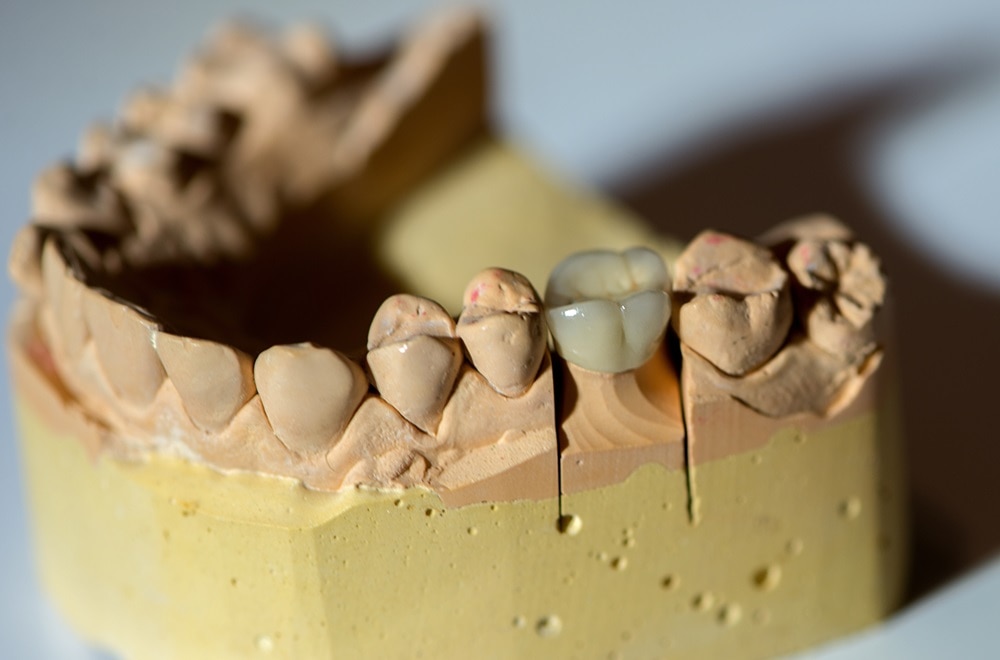
What are Crowns made of?
Crowns can be made of ceramic or metal alloys. Ceramic crowns can be made to match the colour of your natural teeth. A metal crown may be recommended for the molar teeth where the chewing forces can be much higher. Your dentist at Bright Image will recommend the crown that is best for you.
When do I need a Crown?
A Crown may be recommended by our dentists at Bright Image when
- The amount of filling/fillings on a tooth is greater than remaining natural tooth
- There is a risk of breaking teeth or teeth that are already broken
- To restore an implant with a tooth
- A tooth is discoloured or to improve the shape of a tooth
- A tooth has had Root Canal Treatment
- A bridge needs support from adjacent teeth